
The Experience Economy Is Not a Trend. It's the New Baseline.
The Experience Economy Is Not a Trend. It's the New Baseline.
There is a conversation happening between new-age brands and retail spaces that the traditional leasing model was not designed for.
It is not primarily about rate, or term, or location in the abstract sense of a postcode or a catchment radius. It is about possibility.
Can I create something here that my customer will remember? Can I control the journey from the moment they approach the space to the moment they leave it? Does this environment give my brand the canvas it needs , or does it constrain it?
These questions are not coming from the largest brands with the biggest fit-out budgets. They are coming from brands of every scale, across every category. Because in an era where a customer's experience of a brand in a physical space will be photographed, shared, and used to form a lasting impression , the quality of that experience is not a nice-to-have. It is the product.
What the experience economy actually means
The term gets used loosely. What it means in practice is this: consumers increasingly allocate time and money to things that generate a feeling, not just a transaction.
This is not new as a concept. What is new is that it has become the organising principle behind how serious brands design their physical presence , and how they evaluate the spaces available to them.
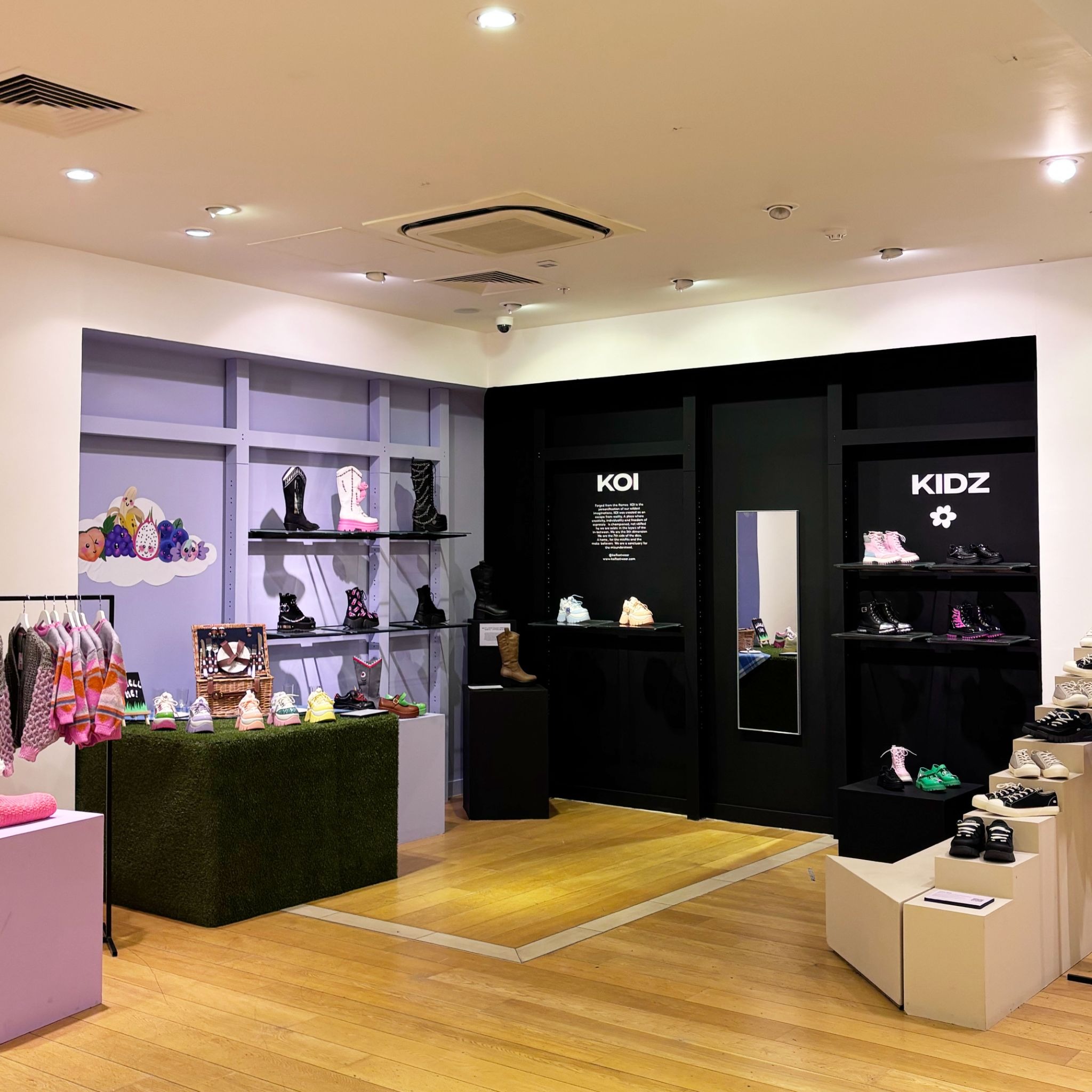
A brand entering a short term space in 2026 is not just asking whether the location gets enough footfall. They are asking whether the space can hold the experience they have designed. Whether the landlord's guidelines allow the level of creative expression the brand needs. Whether the facilities, the infrastructure, the physical environment itself, will enable them to create the moments their customer has come to expect.
What we are seeing from the brands coming through
Across LDC and Revolving Spaces, the shift in how brands evaluate spaces is consistent and accelerating.
Brands are arriving with detailed creative briefs before they've agreed commercial terms. They want to know about natural light, ceiling height, proximity to footfall, the flexibility of the fit-out guidelines. They are thinking about the customer journey from the car park to the till, not just the four walls of the unit.
The commercial conversation still happens. Rent matters. Term length matters. But in an experience economy, the brands worth attracting are evaluating whether the space can serve their creative ambition before they evaluate whether the numbers work.
A space that closes off that ambition , through rigid guidelines, inflexible infrastructure, or an environment that feels generic , is already at a disadvantage, regardless of its footfall numbers.
Global examples setting the standard
This is not a UK-specific phenomenon. It is a global shift, and some markets are further along than others.
In Asia, brands like Gentle Monster have built their entire physical retail model around the creation of experiential moments , gallery-style installations, kinetic design, spaces that feel more like cultural events than stores. The commercial results speak for themselves. The brand has become a global reference point for what retail can be when experience is treated as the primary product.
In North America, brands like Lancôme have demonstrated the commercial upside of experience-led retail directly , activations designed around the customer's sensory journey have driven measurable increases in basket size and transaction frequency.
In the UK, the pattern is emerging clearly in the short term retail space first , because short term formats attract the brands most committed to creative expression, and the destinations that enable it are building reputations that carry forward into long term leasing conversations.
What this demands from landlords
The implications are practical, not abstract.
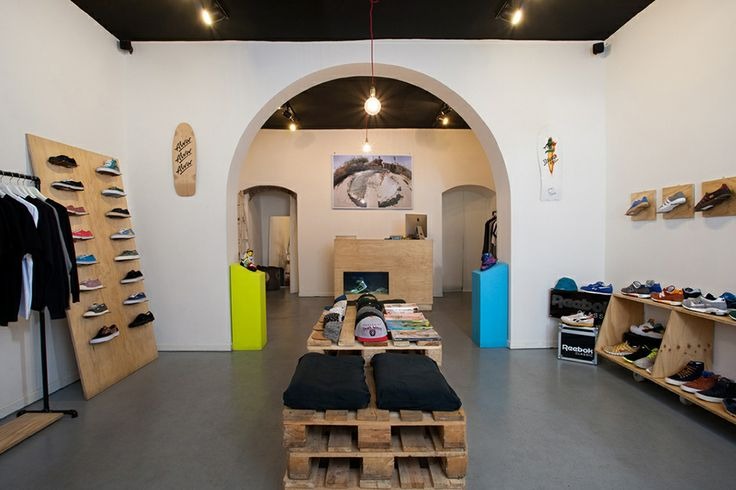
Landlords who want to attract the best brands in 2026 need to think carefully about what their spaces enable , not just in terms of location and commercial terms, but in terms of the creative experience they make possible.
That means flexible fit-out guidelines that allow genuine expression without compromising the integrity of the destination. It means physical environments that give brands the canvas they need , good natural light, considered infrastructure, spaces that feel alive rather than institutional. And it means landlords and leasing teams who understand what brands are trying to build, and who can have that conversation before the commercial one.
The destinations doing this are not just filling more space. They are becoming the destinations that ambitious brands choose first , and that choice, made consistently, is what shapes the long term quality of a retail asset.
The shift
Experience is no longer the differentiator. It is the entry requirement.
The brands worth attracting in 2026 are building moments, not just stores. The landlords worth working with are the ones creating the conditions for those moments to happen.
That is what the experience economy actually demands. And the retail destinations that have understood it are already pulling ahead.
#experienceeconomy #shorttermretail #futureofretail #retailleasing #revolvingspaces
The Revolving Spaces platform was developed to enable landlords and space owners to thrive.


© Copyright 2026, All Rights Reserved by Revolving Spaces