
From Experiment to Infrastructure: How Short-Term Retail Became the Front Door to Long-Term Retail
From Experiment to Infrastructure: How Short-Term Retail Became the Front Door to Long-Term Retail
For much of the last decade, short-term retail was often viewed as a temporary solution.
A pop-up store was something brands did when they wanted to create a bit of noise around a launch, test a new product category, or occupy a space between larger retail decisions. For landlords, it was frequently seen as a useful way to generate interim income while a longer-term occupier was secured.
In many ways, short-term retail sat on the fringes of the industry. It was innovative, creative and often exciting, but rarely viewed as a core part of a serious retail growth strategy.
That perception has changed dramatically.
Today, some of the world's most sophisticated brands are using short-term retail not because they cannot commit to long-term space, but because they see it as the smartest route to long-term growth. At the same time, landlords are increasingly recognising that flexible retail is no longer simply a way to fill vacant units. It is becoming a powerful tool for attracting future tenants, curating destinations and gathering valuable market intelligence.
What was once considered an experiment is rapidly becoming infrastructure.
The shift from commitment-first to validation-first
Historically, physical retail expansion followed a relatively straightforward path.
A brand identified a location, analysed footfall and demographics, negotiated lease terms and committed to a store. Once the lease was signed, the real learning began.
The challenge with this approach is obvious. Physical retail is expensive. Store fit-outs require capital. Long-term leases introduce risk. Mistakes can take years to unwind.
As a result, many brands delayed physical expansion until they felt absolutely certain.
Today's brands operate differently.
The rise of digital commerce has fundamentally changed how businesses think about growth. Brands have become accustomed to launching campaigns quickly, testing ideas, analysing performance and refining strategies in real time. They have become more comfortable with experimentation and less willing to make large commitments without evidence.
This mindset has naturally extended into physical retail.
Rather than asking whether they should open a store, many brands are now asking a different question:
"How can we learn enough to know whether opening a store makes sense?"
Short-term retail provides that answer.
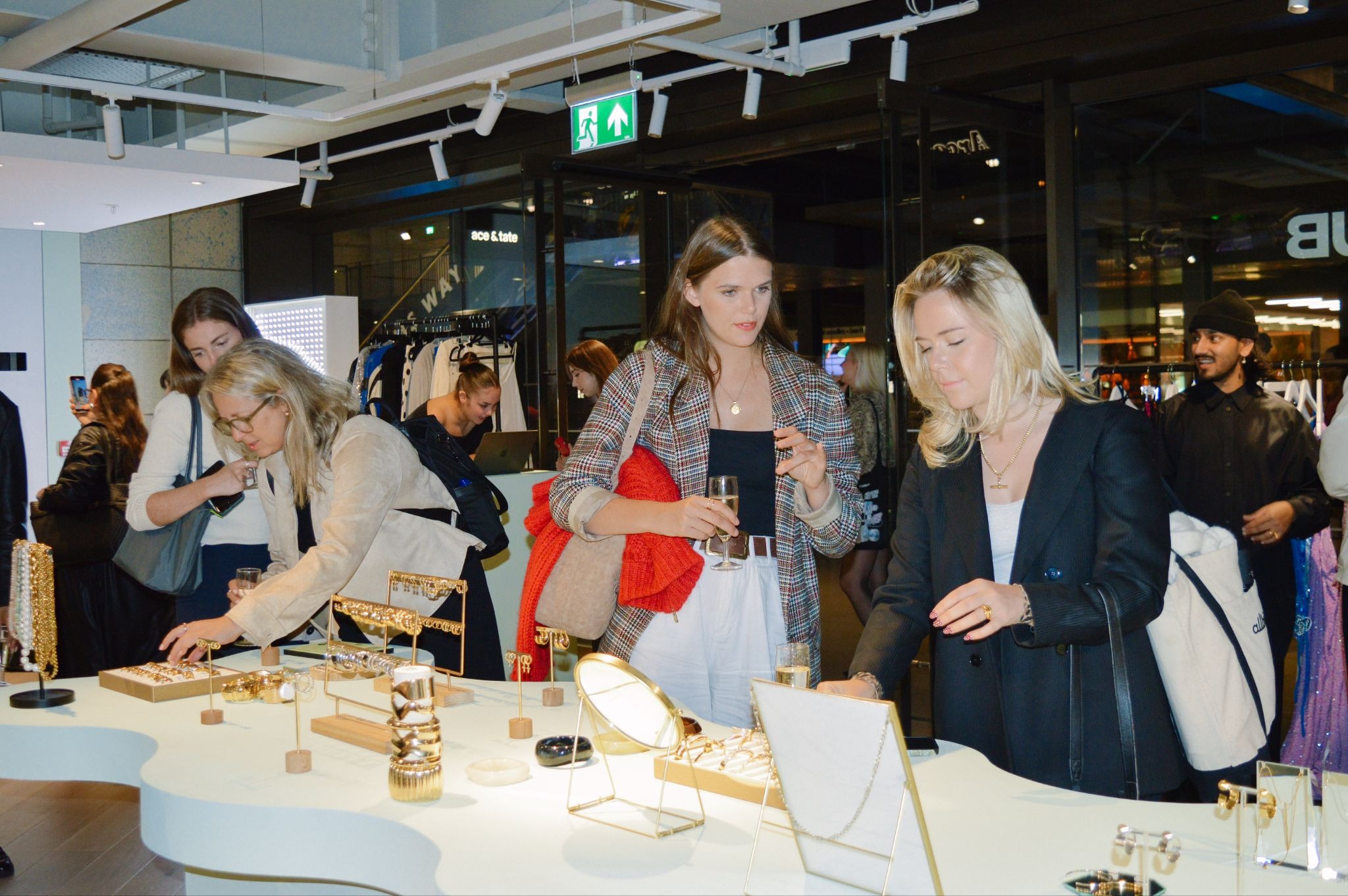
A temporary activation allows a brand to understand local demand, observe customer behaviour, test product ranges and gather meaningful data before making larger commitments. Instead of relying on assumptions, brands can make decisions based on evidence.
Increasingly, short-term retail has become the validation stage that sits between digital success and long-term physical expansion.
A global movement, not a local trend
Whilst the expression of short-term retail differs from market to market, the broader trend is remarkably consistent across the world.
In North America, short-term retail has become a common market-entry strategy for both domestic and international brands. Rather than committing immediately to permanent stores, brands use temporary spaces to build awareness, understand local audiences and evaluate performance before scaling further.
Across Asia, the model has evolved even further. In markets such as Seoul and Tokyo, short-term retail is often treated as a cultural and marketing tool as much as a sales channel. Activations are designed to generate excitement, social sharing and brand engagement, extending their impact well beyond the physical space itself.
Meanwhile, across Europe and the Middle East, shopping centre owners and destination landlords are increasingly incorporating flexible retail into their wider leasing strategy. The objective is no longer simply to fill space. It is to introduce new concepts, maintain freshness within the tenant mix and create a pipeline of future long-term occupiers.
Different markets may have different motivations, but the underlying principle remains the same.
Test first. Commit second.
The brands getting it right
The most successful brands in physical retail today are rarely approaching short-term space as a standalone opportunity.
Instead, they arrive with clear objectives and specific questions they need answered.
They want to understand whether a location attracts the right customer profile. They want to know how online customers behave in a physical environment. They want to measure conversion rates, product performance and customer engagement.
Importantly, they are measuring far more than revenue.
Footfall, dwell time, conversion, customer acquisition, repeat purchase intent and social engagement are all becoming part of the evaluation process. The store is no longer simply a place to transact. It is a source of intelligence.
When the results are positive, brands move forward with confidence. They commit to larger stores, longer leases and deeper investment. When results are weaker than expected, they adapt and test elsewhere.
Either way, the decision-making process becomes significantly more informed.
The short-term activation is not the destination. It is the evidence that helps determine the destination.
Why landlords are paying attention
For landlords, this evolution has important implications.
The traditional view of short-term retail was often reactive. A vacant unit became available and a temporary occupier was sourced while a long-term tenant was identified.
The most forward-thinking landlords are now approaching the category differently.
They recognise that today's emerging brands are tomorrow's anchor tenants.
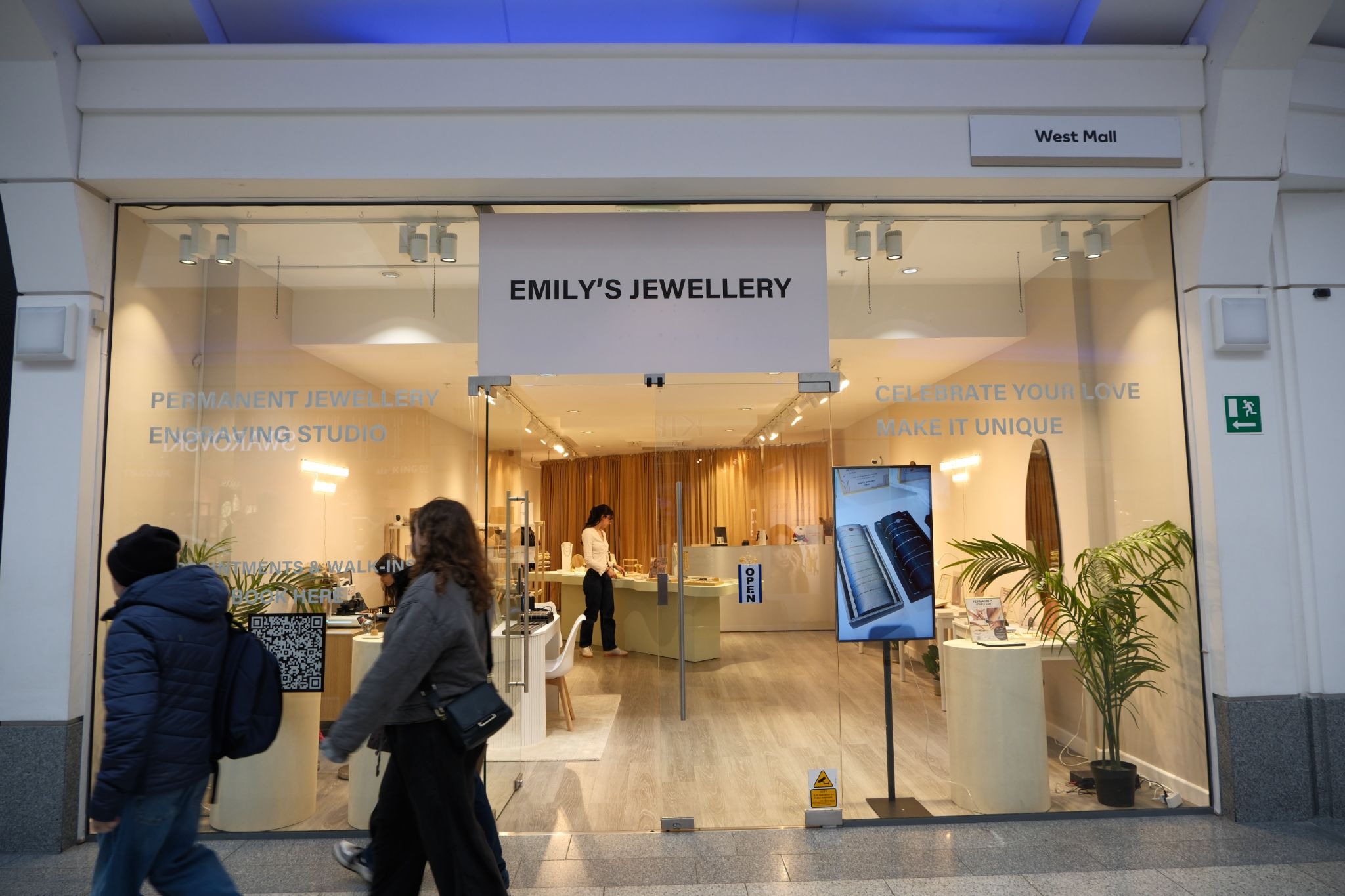
By creating pathways for brands to test within their destinations, landlords gain access to valuable relationships, performance data and future leasing opportunities long before competitors do.
At the same time, flexible retail introduces freshness and discovery into an asset. New brands attract new audiences. Rotating concepts encourage repeat visitation. Consumers are given reasons to return more frequently and engage with the destination in different ways.
Short-term retail therefore delivers value beyond occupancy alone.
It contributes to destination appeal, brand pipeline development, customer engagement and long-term leasing performance.
Building for the next decade
Perhaps the most significant shift is that short-term retail is no longer operating separately from long-term leasing.
The two are becoming increasingly interconnected.
The brands entering a destination through a temporary activation today may become permanent tenants tomorrow. The data generated through a short-term store can influence future leasing decisions. The relationships built through flexible retail can develop into long-term partnerships.
As a result, the landlords best positioned for the future are not asking how to fill empty space.
They are asking how to create an environment where brands want to begin their physical retail journey.
Doing that successfully requires more than available units. It requires infrastructure, systems and processes that allow brands to discover opportunities, apply, launch, measure performance and scale.
In many ways, short-term retail has become the front door to long-term retail.
The landlords that recognise this shift are not simply adapting to changing market conditions. They are building the foundations for the next generation of retail growth.
What was once viewed as temporary is becoming permanent.
Not in duration, but in strategic importance.
The Revolving Spaces platform was developed to enable landlords and space owners to thrive.


© Copyright 2026, All Rights Reserved by Revolving Spaces